
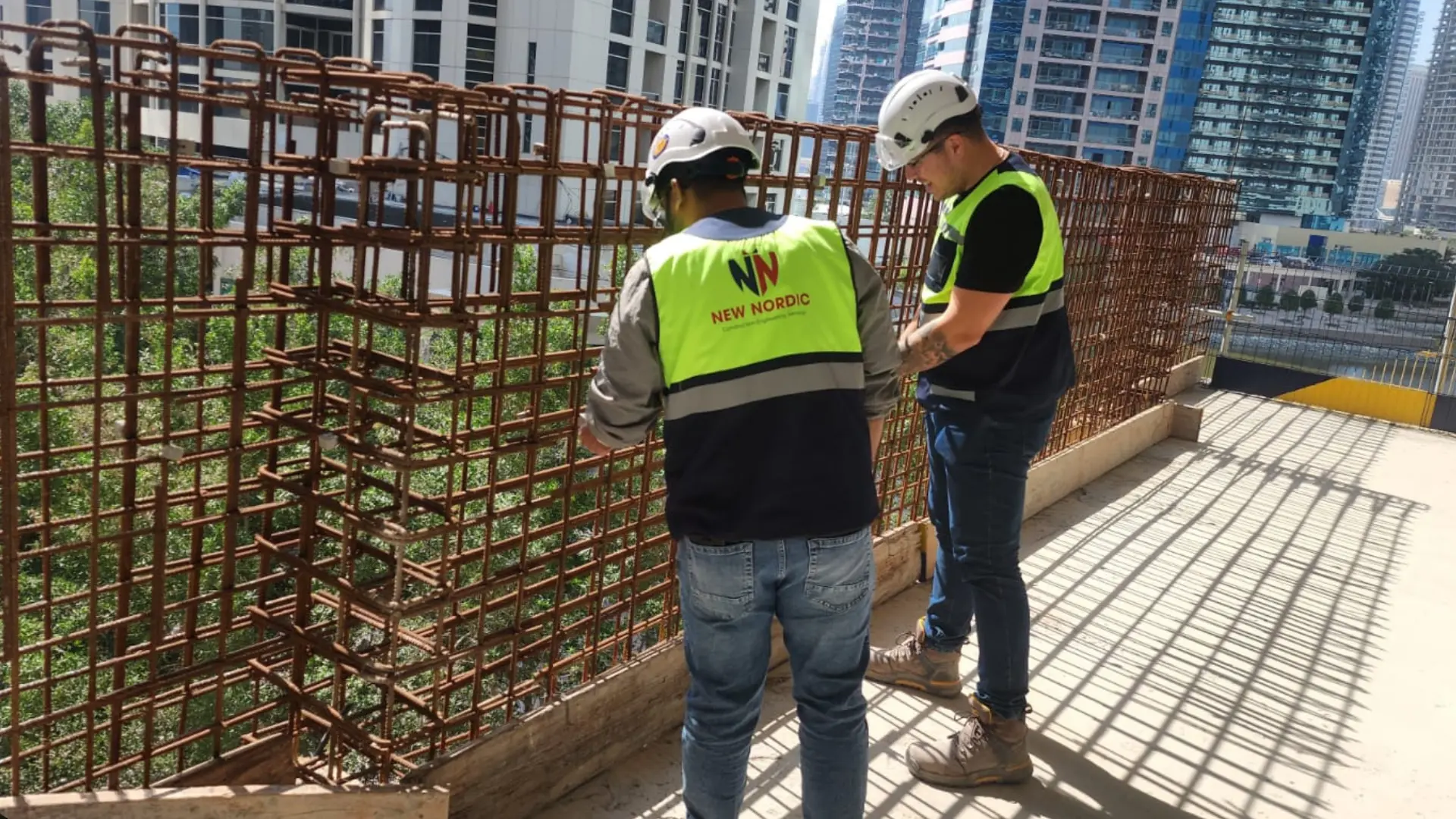
Third-Party Inspection
An independent, documented view of defined elements of work or asset condition - with a clear question, an agreed scope and a reporting format the project team can act on.
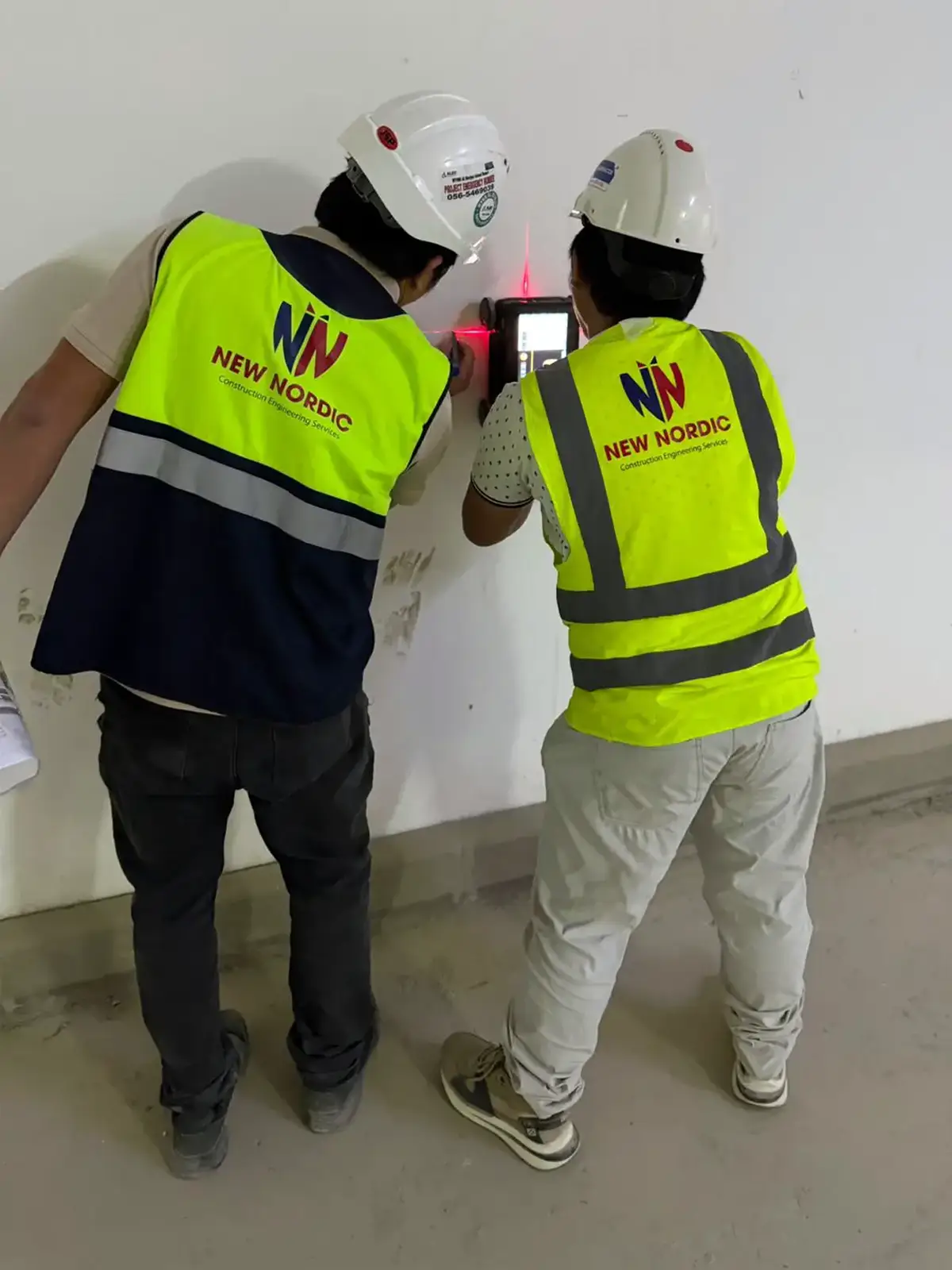
Quick Answer
An independent inspection provides a documented view of the elements included in its scope. For a building or construction project in India, that scope should reflect the stage of work, the information available and the question being investigated. Observations are recorded with their location and context so the client can identify matters requiring attention or further review.
Third-party inspection is distinct from peer review: it looks at work or asset condition on site, while peer review examines design information. Findings support the client's decisions without replacing the responsibilities of appointed designers or contractors.
Who This Is For
- - Developers & project owners
- - Building owners & facility teams
- - Lenders & asset managers
- - Project management teams
When It Is Needed
- - Before a stage of work is accepted
- - When a quality concern is raised
- - Before taking over a building
- - When an independent record is needed
What Problems This Service Solves
Teams that are close to a project can find it hard to step back. An independent inspection starts from a defined question and records what it finds.
Unclear Scope
An inspection with no defined question produces a general opinion. We agree what is being examined, and what is not, before work starts.
Observations Without Location
A finding that cannot be located is hard to act on. Observations are recorded with their position and context.
Information Gaps
Drawings, specifications and earlier reports are not always complete. We state what was available and what was not, so limits are visible.
Disputed Quality Questions
When parties see the same work differently, an independent record gives the discussion a clearer starting point.
Handover Uncertainty
Taking over a building without an independent view leaves its condition open to interpretation. A scoped inspection documents what was seen.
Findings Without Follow-Up
Observations only help if they are tracked. We structure reports so open matters can be followed through.
The Inspection Process
Define the Question
Agree what needs to be examined and why
Review Information
Drawings, specifications and earlier records
Site Inspection
Observations recorded by location and context
Evaluate Findings
Matters requiring attention or further review identified
Report
Findings issued in the agreed reporting format
Methods & Techniques
The inspection method follows the question being asked. Techniques are chosen for the element in scope and interpreted alongside other available evidence.
Visual Inspection
Systematic observation of the elements within the agreed scope.
Document Review
Comparison of what is observed with drawings, specifications and records.
Photographic Record
Dated photographs tied to locations and observations.
Measurement & Spot Checks
Targeted measurements where they help answer the question.
Testing, Where Warranted
Suitable testing selected when visual evidence is not enough.
Observation Register
A structured list of findings and their status.
What You Receive
Deliverables are agreed for each assignment and shaped around the project's stage, available information and the question to be resolved. Findings are recorded with their basis and limitations, so decisions can follow the evidence.
Inspection Report
Findings, limitations and recommended next steps in the agreed format
Observation Register
Each observation recorded with its location and context
Photographic Record
Dated photographs linked to the observations
Statement of Scope
What was inspected, what was not and the information used
Matters for Further Review
Items needing closer attention or specialist input
Close-Out Tracking
A format for following open matters through to resolution
Why New Nordic
Defined Scope
Each assignment starts with a clear question, an agreed scope and a stated reporting format.
Site-Specific Approach
Location, building use and available records shape the work, not assumptions from another market.
Evidence-Led Findings
Observations are recorded with their location and context, with limitations stated plainly.
One Connected Team
Planning, design, supervision and review can be discussed together, with responsibilities agreed from the outset.
Related Services
Peer Review Services
Independent review of defined design documents, calculations and assumptions, with a schedule of comments and responses.
Construction Supervision Services
Supervision that links project documentation with the work on site, with clear observations and action records.
Existing Building Assessment
Assessment of an existing structure ahead of refurbishment, change of use or alteration, based on the evidence available.
Frequently Asked
What does third-party inspection cover?
Only the elements of work or asset condition agreed in the scope. Each assignment begins with a clear question, a defined scope and an agreed reporting format.
How is it different from peer review?
Third-party inspection examines work or asset condition. Peer review examines defined design information and engineering assumptions. They can be requested separately or together.
Does it replace the contractor's or designer's responsibilities?
No. Findings support the client's decisions without replacing the responsibilities of appointed designers or contractors.
What should I provide?
The location, project stage and the question you need to answer, together with any drawings, specifications, earlier reports and photographs.
How long will it take?
That depends on the scope, access and any testing required. The programme and deliverables are agreed after reviewing the information available.
Start a Conversation
Talk to Us About Third-Party Inspection
Tell us where the project is, what stage it has reached and the questions you need to resolve. We will discuss the scope of support required.