
Marine Structural Assessments
Condition surveys of jetties, wharves, seawalls and waterfront structures, based on the actual exposure of each asset.
Quick Answer
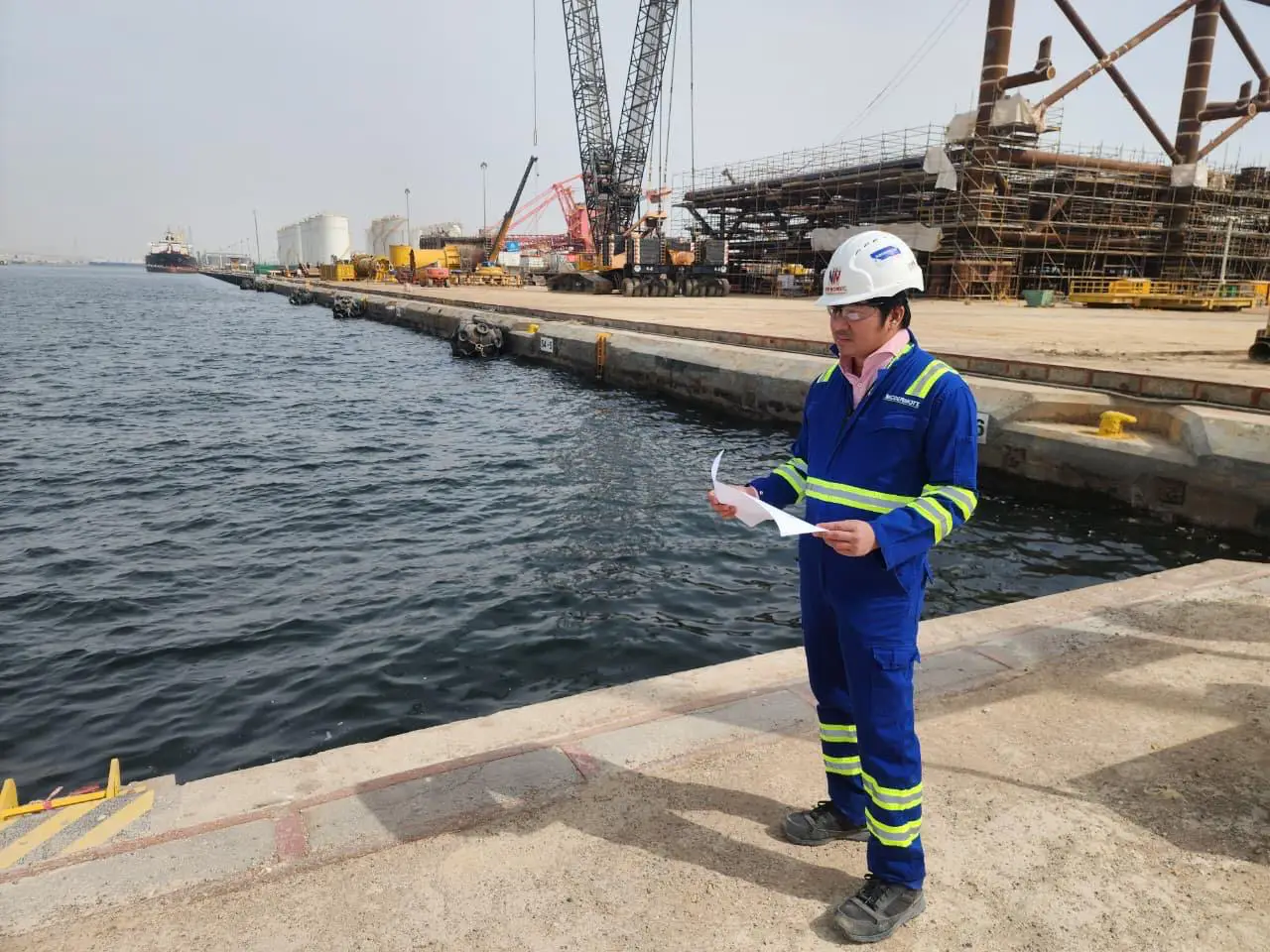
Waterfront structures work in demanding conditions: tidal movement, wave action, salt-laden air and constant wetting. A marine assessment records what can be observed above and, where access allows, below the waterline, and relates it to the structure's age, construction and maintenance history.
Exposure differs from coast to coast and from asset to asset. The scope is therefore set around the structure in front of us, with no assumed project history and no general promise about remaining life.
Who This Is For
- - Port and harbour operators
- - Owners of jetties and waterfront property
- - Industrial coastal facilities
- - Asset managers and insurers seeking condition information
When It Is Needed
- - Periodic condition survey
- - After storm, impact or vessel contact
- - Visible concrete or steel deterioration
- - Before change of use or acquisition
What Problems This Service Solves
Constant exposure to water and salts makes waterfront structures prone to deterioration that is easy to underestimate from the surface. Assessment replaces assumption with recorded observations.
Chloride-Driven Corrosion
Salts reaching reinforcement can cause corrosion and cracking. Sampling helps show how far contamination has progressed.
Concrete Deterioration
Cracking, spalling and abrasion are recorded by zone, since splash, tidal and submerged areas behave differently.
Steel Section Loss
Piles, sheet piling and fittings can lose section over time. Measurements show where loss is concentrated.
Scour & Foundation Concerns
Movement of material around foundations may affect stability. Observations and available survey data are reviewed together.
Fender & Fitting Wear
Damaged fenders, bollards and connections affect how loads reach the structure and are recorded for follow-up.
Gaps in Maintenance Records
Where history is incomplete, the assessment states clearly what is known, what is inferred and what remains open.
The Assessment Process
Scope & Access
Agree the asset, zones, access and safety arrangements
Survey
Record defects above water and, where required, below it
Testing
Sample and test to answer the specific questions raised
Review
Relate findings to exposure, construction and records
Report
Findings, limitations and recommended next steps
Methods & Techniques
Techniques are selected to suit access conditions and the material being examined, with specialist diving or access input arranged only where the scope requires it.
Visual Condition Survey
Defect recording by structural zone and element.
Chloride & Carbonation Sampling
Shows the extent of contamination in concrete.
Half-Cell Potential
Indicates areas where reinforcement may be corroding.
Cover Survey
Compares measured cover with what was intended.
Thickness Measurement
Quantifies section loss in steel components.
Specialist Underwater Inspection
Considered where submerged elements need examination.
What You Receive
Deliverables are agreed for each assignment and shaped around the project's stage, available information and the question to be resolved. Findings are recorded with their basis and limitations, so decisions can follow the evidence.
Condition Report
Observations, results and stated limitations
Defect Records
Defects located by zone with photographs
Test Results
Laboratory and on-site results from the agreed scope
Exposure Commentary
How observed deterioration relates to the asset's environment
Priorities for Action
Matters the owner may wish to address first
Repair & Monitoring Options
Approaches to consider where defects are found
Why New Nordic
Defined Scope
Each assignment starts with a clear question, an agreed scope and a stated reporting format.
Site-Specific Approach
Location, building use and available records shape the work, not assumptions from another market.
Evidence-Led Findings
Observations are recorded with their location and context, with limitations stated plainly.
One Connected Team
Planning, design, supervision and review can be discussed together, with responsibilities agreed from the outset.
Related Services
Durability Engineering
Assessment of corrosion risk and long-term performance based on actual exposure, construction information and maintenance records.
Structural Service Life
Evidence-based assessment of long-term performance to support maintenance planning and investment decisions, without guaranteed lifespans.
NDT Testing
Non-destructive testing selected around the engineering question and interpreted alongside inspection findings and records.
Frequently Asked
Which structures can be assessed?
Jetties, wharves, seawalls, quay walls, slipways and other waterfront structures. The scope depends on the asset type and what can be safely accessed.
Do you carry out underwater inspections?
Where submerged elements need examination, specialist underwater inspection can be included in the scope. It is arranged only when the question requires it.
Can you predict remaining life?
We do not give a guaranteed lifespan. The report describes the observed condition and the factors that may affect future performance, so the owner can plan maintenance.
What records are helpful?
Original drawings, past inspection or repair reports, details of impact or storm events and any survey data all help to focus the assessment.
Can the findings lead to repair design?
Yes. Repair or strengthening options can follow as a separately agreed stage once the condition is understood.
Start a Conversation
Talk to Us About Marine Structural Assessments
Tell us where the project is, what stage it has reached and the questions you need to resolve. We will discuss the scope of support required.