
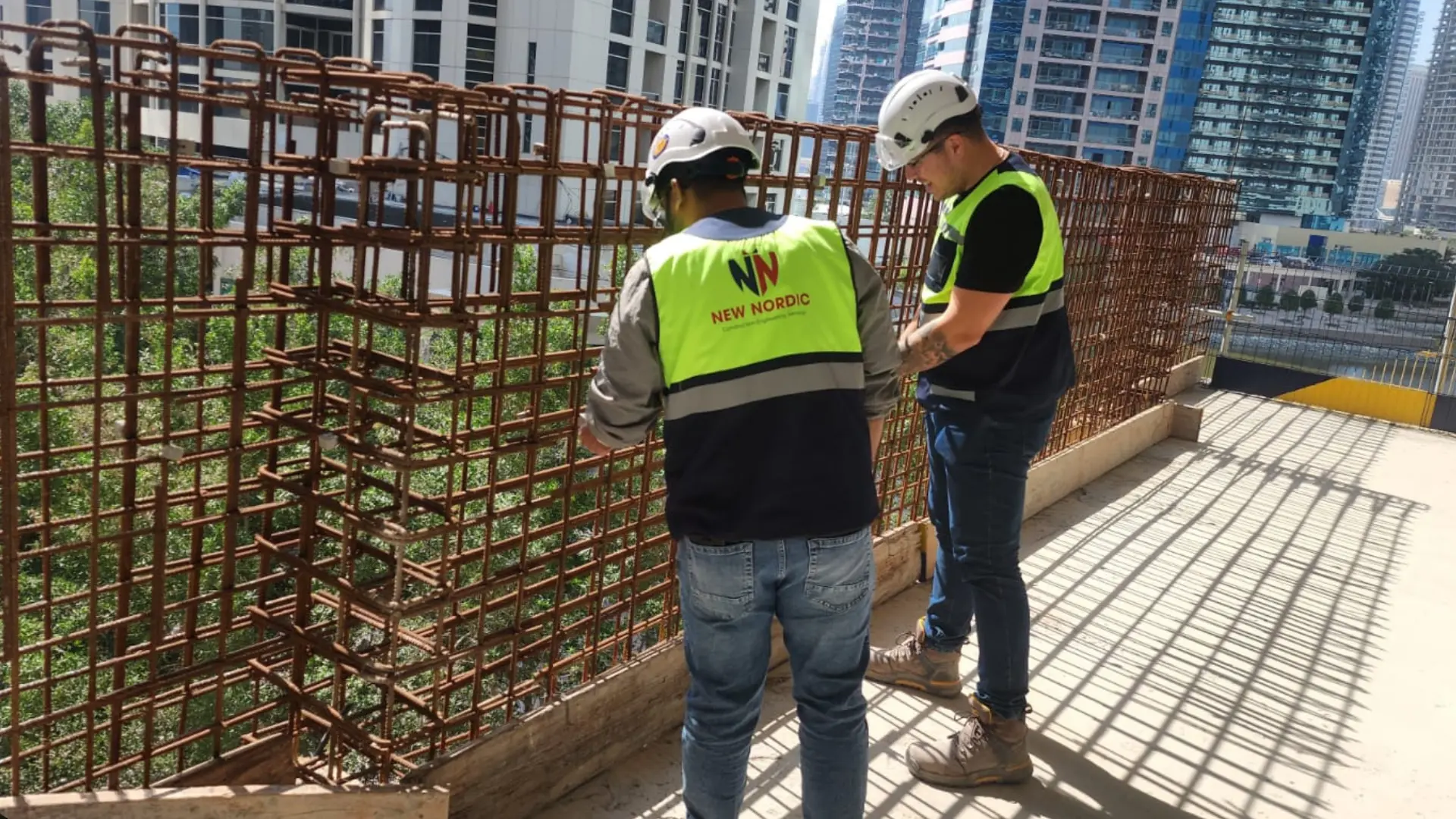
Portfolio Inspections
Structured inspection programmes for property portfolios - a consistent approach, coordinated scheduling and consolidated reporting shaped around the client's asset planning and maintenance needs.
Quick Answer
A portfolio inspection applies one consistent approach across several buildings, so that findings can be compared and priorities set. The programme is defined by the client's own asset planning and maintenance needs.
Useful for owners, asset managers and facility teams who need a comparable view of condition across properties without commissioning each building separately.
Who This Is For
- - Asset & portfolio managers
- - Property management companies
- - Institutional owners
- - Organisations with multiple sites
When It Is Needed
- - Planning a maintenance programme
- - Prioritising capital spending
- - Acquisition due diligence
- - Standardising condition information
What Problems This Service Solves
Managing structural condition one building at a time can be slow and inconsistent. A programme gives the portfolio a common basis for comparison.
Inconsistent Reporting
Different reports for different buildings are hard to compare. A common format makes comparison meaningful.
Unclear Priorities
Without comparable findings it is hard to decide where to act first. The programme records significance so priorities can be discussed.
Fragmented Records
Condition information scattered across files hides patterns. Consolidated reporting brings it together.
Planning Without Evidence
Maintenance budgets benefit from condition data. Programme findings can inform the client's own planning.
Site Disruption
Uncoordinated visits disrupt occupants. Access across buildings can be planned together.
Different Needs per Building
Buildings differ in age, use and exposure. The programme sets a common method but respects each property's circumstances.
The Programme Process
Portfolio Review
Building list, priorities and the client's planning needs
Programme Plan
Common method, schedule and reporting format
Phased Inspection
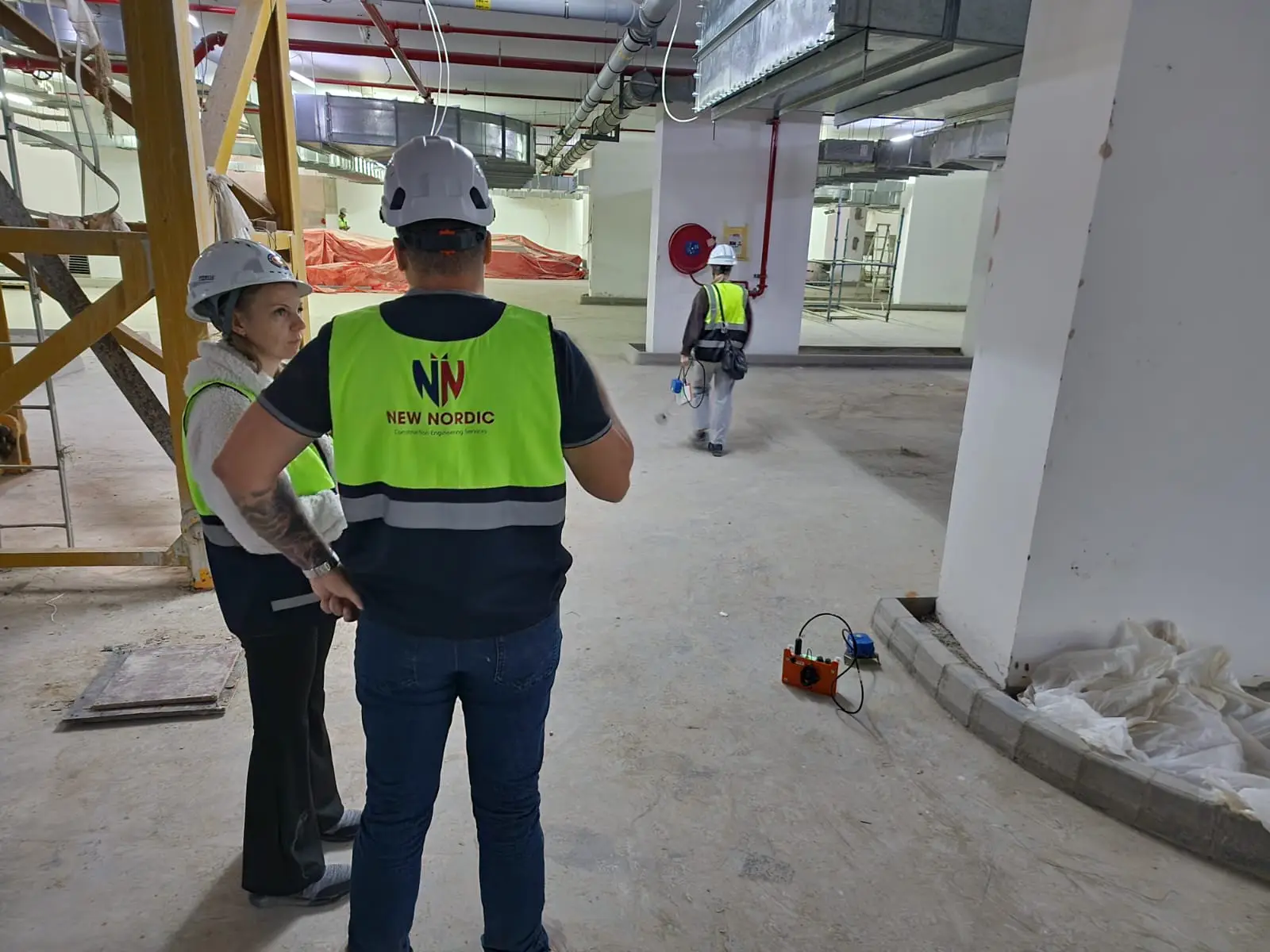
Inspections carried out building by building
Consolidated Analysis
Comparison of findings across the portfolio
Programme Report
Per-building reports with a portfolio summary
Methods & Techniques
A common inspection approach is applied to each building, with additional testing only where the findings call for it.
Standard Inspection Checklist
One consistent set of observations applied to every building.
Condition Rating Method
A uniform way of describing significance so buildings can be compared.
Targeted Testing
Suitable testing at buildings where the findings warrant it.
Coordinated Scheduling
Access planned across sites to limit disruption.
Consolidated Reporting
A summary alongside the individual building reports.
Records Register
A common record of defects and actions across the portfolio.
What You Receive
Deliverables are agreed for each assignment and shaped around the project's stage, available information and the question to be resolved. Findings are recorded with their basis and limitations, so decisions can follow the evidence.
Per-Building Reports
An inspection report for each property in the programme
Portfolio Summary
Consolidated view of findings across all buildings
Priority Schedule
Findings ordered to support the client's own decisions
Defect Register
A common record of observed defects by building and location
Planning Input
Condition information to support asset and maintenance planning
Programme Coordination
A single point of contact for the programme
Why New Nordic
Defined Scope
Each assignment starts with a clear question, an agreed scope and a stated reporting format.
Site-Specific Approach
Location, building use and available records shape the work, not assumptions from another market.
Evidence-Led Findings
Observations are recorded with their location and context, with limitations stated plainly.
One Connected Team
Planning, design, supervision and review can be discussed together, with responsibilities agreed from the outset.
Related Services
Structural Inspections
Visual and technical inspection of building structure, recording defects and reporting what they may mean for the building.
Reserve Fund & Maintenance Planning
Building condition and maintenance assessment to support the client's own asset planning and reserve-fund thinking.
Third-Party Inspection
Independent inspection of defined elements of work or asset condition, with observations recorded by location and context.
Frequently Asked
How many buildings can a programme cover?
The programme is sized to the client's portfolio. The number of buildings, their locations and access are agreed when the scope is defined.
Do I get one report or many?
Each building receives its own report, supported by a portfolio summary that compares findings.
Can this support our maintenance planning?
Yes. The condition information can inform your own asset planning and maintenance priorities.
Is the same method used on every building?
A common method is used for comparability, with additional work where an individual building calls for it.
What should I provide to start?
A list of buildings with locations, uses and ages, plus any existing reports, and a description of what you need the programme to inform.
Start a Conversation
Talk to Us About Portfolio Inspections
Tell us where the project is, what stage it has reached and the questions you need to resolve. We will discuss the scope of support required.