
Bridge Structural Assessments
Condition assessment of bridges and elevated structures, shaped around the actual asset, its exposure and the decision the owner needs to make.
Quick Answer
A bridge assessment starts with the asset itself: its structural form, age, loading history, exposure and available records. Inspection, selected testing and structural review are then combined to describe current condition and to inform what should happen next.
The scope is agreed for each structure. Findings are reported with their basis and limitations, and no client names or past projects are implied by the approach described here.
Who This Is For
- - Owners of private or campus bridges
- - Developers with elevated links and walkways
- - Industrial and port operators
- - Asset managers reviewing infrastructure
When It Is Needed
- - Periodic condition review
- - Before a change in loading
- - Visible deterioration or impact
- - Asset acquisition or handover
What Problems This Service Solves
Bridges deteriorate gradually under traffic, weather and time. A defined assessment helps owners understand what is happening before a minor defect becomes a major one.
Reinforcement Corrosion
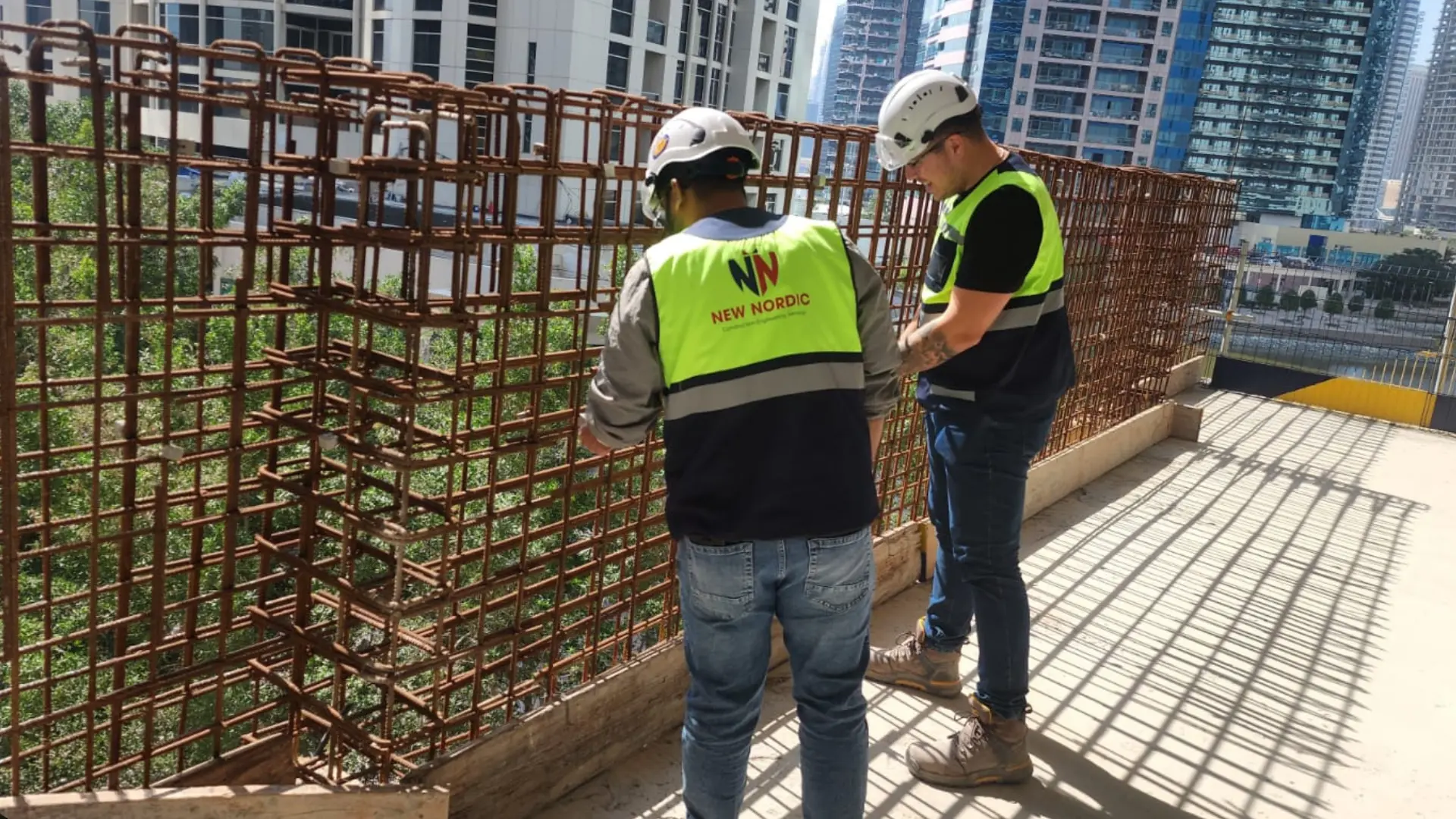
Corroding reinforcement is often hidden behind sound-looking concrete. Cover surveys and potential mapping help locate where further investigation is warranted.
Carbonation & Chloride Ingress
The degree of exposure depends on where the bridge stands and how it is maintained. Sampling can show how far protective concrete has been affected.
Bearing & Joint Distress
Worn bearings and failed joints can pass unintended forces into the structure. Inspection records movement restraint and any consequential damage.
Uncertain Load Capacity
Where records are missing or loading is changing, capacity may be unclear. Structural review of the available information frames what can be confirmed and what cannot.
Delamination & Spalling
Delaminated deck and soffit concrete can be located by sounding and suitable testing so repair areas are defined from evidence.
Cracking & Impact Damage
Cracking patterns and impact marks are recorded with their position, width and history to help judge whether they are active.
The Assessment Process
Brief & Records
Confirm the asset, the question and the information available
Inspection
Observe deck, soffit, piers, bearings and joints, with access agreed
Testing
Select testing and sampling that suit the questions raised
Review
Interpret observations and results alongside records and loading
Report
Findings, limitations and recommended next steps
Methods & Techniques
Methods are selected for the question and the structure, then interpreted together with inspection findings rather than in isolation.
Visual & Hands-On Inspection
Systematic recording of defects by element and location.
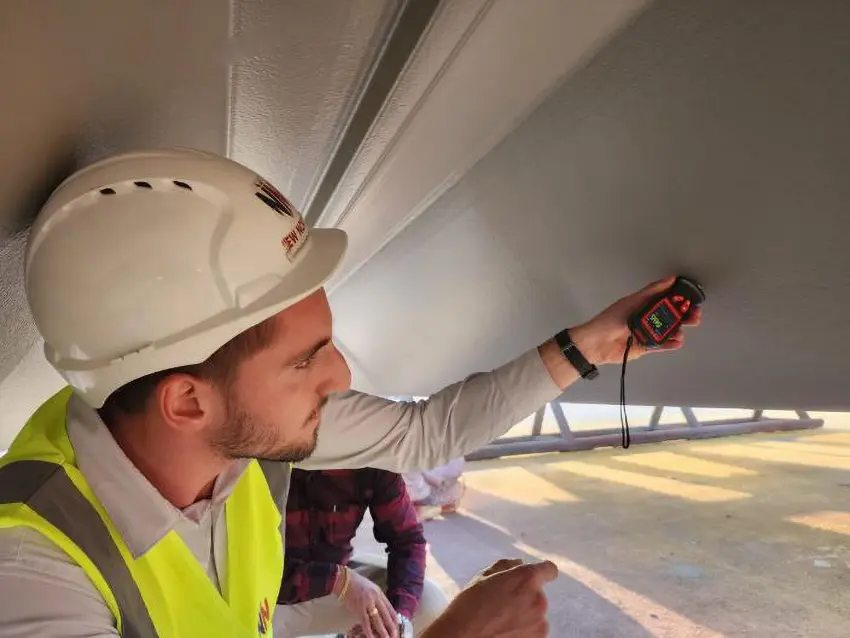
Cover & Potential Surveys
Help indicate where reinforcement may be at risk of corrosion.
Sounding & Impact-Echo
Locate delamination and voids in decks, soffits and piers.
Ultrasonic Pulse Velocity
Gives an indication of internal concrete quality where suitable.
Core Sampling
Laboratory results for strength, chloride and carbonation where required.
Structural Review
Considers capacity against current or proposed loading using available information.
What You Receive
Deliverables are agreed for each assignment and shaped around the project's stage, available information and the question to be resolved. Findings are recorded with their basis and limitations, so decisions can follow the evidence.
Assessment Report
Condition findings, basis of assessment and stated limitations
Element Condition Record
Defects recorded by element and location
Capacity Commentary
What the available information does and does not establish
Test Data
Results of any testing and sampling carried out
Maintenance Considerations
Suggested priorities and inspection intervals for the owner to consider
Repair Options
Engineering options where defects require action
Why New Nordic
Defined Scope
Each assignment starts with a clear question, an agreed scope and a stated reporting format.
Site-Specific Approach
Location, building use and available records shape the work, not assumptions from another market.
Evidence-Led Findings
Observations are recorded with their location and context, with limitations stated plainly.
One Connected Team
Planning, design, supervision and review can be discussed together, with responsibilities agreed from the outset.
Related Services
NDT Testing
Non-destructive testing selected around the engineering question and interpreted alongside inspection findings and records.
Structural Strengthening Design
Design of strengthening and repair measures for existing structures, based on assessment findings and project-specific assumptions.
Durability Engineering
Assessment of corrosion risk and long-term performance based on actual exposure, construction information and maintenance records.
Frequently Asked
Do you assess pedestrian and private bridges?
Yes. Footbridges, podium links, private vehicular bridges and other elevated structures can be assessed. The scope depends on the structure and the question you need answered.
Can you state a safe load capacity?
That depends on the records and testing available. We review the information and report what can reasonably be concluded, and where further investigation would be needed before a capacity statement can be relied upon.
Does the bridge need to be closed?
Not always. Access and any temporary restrictions are discussed and agreed when the scope is defined, and depend on the structure and the work required.
How often should a bridge be assessed?
Intervals depend on age, exposure, condition and use. The report can suggest a sensible review cycle for the owner to consider.
Can you advise on repairs?
Yes. Where defects are found, repair or strengthening options can be considered as a follow-on step, with scope agreed separately.
Start a Conversation
Talk to Us About Bridge Structural Assessments
Tell us where the project is, what stage it has reached and the questions you need to resolve. We will discuss the scope of support required.